Quick Answer: Preparing for a tummy tuck usually involves reaching a stable weight, reviewing medications and supplements with your surgeon, avoiding nicotine as directed, arranging help at home, and following your pre-operative instructions. Planning for transportation, meals, childcare, and recovery can also make the process easier.
Dissatisfaction with the appearance of the abdomen, often referred to as a “rubber tire” around the middle, is a huge motivating force for both men and women to book a consultation with me to discuss body contouring. There are any number of underlying reasons why you may be carrying some extra weight in your mid-section, including age, hormones, weight gain/loss, and pregnancy. While liposuction is an excellent procedure for addressing excess fat, loose skin generally does not respond to weight loss. If you’ve had children and/or are older, chances are that the bulging in your tummy is the result of both extra fat and loose skin.
A loose or weakened abdominal wall, which is part of your core, can also play a role in dissatisfaction with your abdominal contour. A tummy tuck, or abdominoplasty, can be an excellent procedure for addressing this combination. While a tummy tuck can be extremely effective, it does require a more intense recovery. For this reason, I wanted to discuss how to best prepare for a tummy tuck in Boston.

How to Best Prepare for a Tummy Tuck
Preparing ahead can make your tummy tuck recovery much easier. In general, I recommend that my abdominoplasty patients focus on the following in the weeks leading up to surgery:
Tummy Tuck Pre-Op Checklist
- Maintain a stable, healthy weight. Ideally, you should be close to a sustainable goal weight before surgery. The Mayo Clinic also recommends maintaining a stable weight before a tummy tuck, as significant weight changes afterward can affect your results.
- Review your medications and supplements. Make sure your surgical team knows about all prescription medications, over-the-counter medications, vitamins, and supplements you take, and follow their instructions about any changes before surgery. The American Society of Plastic Surgeons notes that tummy tuck preparation may include adjusting medications and avoiding certain anti-inflammatory drugs and herbal supplements that can increase bleeding.
- Avoid smoking and nicotine as directed. Smoking can interfere with healing, so it is important to follow your surgeon’s recommendations before and after surgery. Stopping smoking is also included in the ASPS recommendations for tummy tuck preparation.
- Eat a healthful diet. I recommend limiting sodium and inflammatory foods for about 2 weeks before and 2 weeks after surgery. This includes limiting sugar, alcohol, highly processed foods, and simple carbohydrates.
- Stay active. If you already exercise regularly, great. If not, I suggest walking at least three times a week before surgery. It is a simple way to stay active and maintain your conditioning before your procedure.
- Get your compression garments ahead of time. I recommend having them ready before surgery and, if possible, purchasing an extra set so you have another pair available on laundry day.
- Arrange transportation and help at home. You will need someone to drive you home after surgery, and you should plan for assistance during the early stages of recovery. Mayo Clinic similarly recommends arranging for someone to drive you to and from surgery and provide help during your initial recovery.
- Prepare for childcare and household responsibilities. If you are a mom or have young children, you will likely need considerable help. Even my most prepared moms can find this part challenging. I generally advise patients that they will not be driving for at least the first 10 days and should avoid lifting anything over 10 pounds during the first couple of weeks.
- Prepare meals and your recovery space. Consider making and freezing meals ahead of time, arranging food delivery, hiring a housekeeper or cleaning service, and asking family members or close friends to help with children and pets.
- Fill your prescriptions before surgery. Having your post-operative medications ready means there is one less thing to manage once you return home.
- Follow your final pre-operative instructions carefully. This includes any guidance about eating and drinking before surgery, medications, arrival time, and what to wear or bring on the day of your procedure.
People really do want to help during recovery, so let them. Having these details organized before surgery allows you to focus on resting and healing once you are home.
Medical Preparation Before a Tummy Tuck
The checklist above covers the basics, but your medical preparation will also depend on your individual health history and surgical plan. Before surgery, I will review your medical history and determine whether you need bloodwork, medical clearance, or any additional pre-operative testing.
This is also when we will go over your medications, vitamins, supplements, and nicotine use in more detail. Some may need to be adjusted or temporarily stopped before surgery, but you should never make those changes on your own. I will give you specific instructions based on your health and the procedure we have planned.
The American Society of Plastic Surgeons also notes that medical evaluation, medication adjustments, and smoking cessation may be part of preparing for a tummy tuck.
The Day Before and Day of Your Tummy Tuck
By the day before your tummy tuck, most of the hard work should already be done. Your transportation should be arranged, your prescriptions filled and your recovery space ready to go. This is also a good time to double-check the instructions that we have given you for surgery day.
Make sure to:
- Follow your instructions about when to stop eating and drinking
- Take or hold your regular medications exactly as directed
- Shower and prepare for surgery according to the instructions from our office
- Wear loose, comfortable clothing that is easy to put on and take off Have a responsible adult available to drive you home and help you get settled
Every patient and surgical plan is a little different, so follow the instructions that we give you rather than making assumptions about food, fluids or medications. Being organized ahead of time will make your surgery day much less stressful.
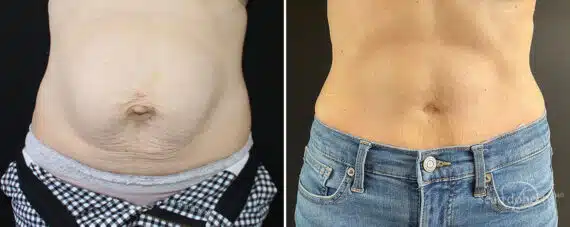
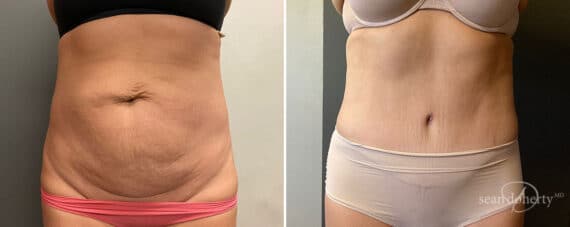
*Each patient is unique and individual results may vary
Should I Lose Weight Before My Tummy Tuck?
Body contouring procedures are one of my specialties, and what I’ve found over 15 years of experience in practice is that one of the keys to a happy result is knowing exactly what to expect. This includes:
- How to prepare for surgery
- What the surgical plan itself will involve
- The best way to manage expectations during recovery
A tummy tuck is one of my procedures with the highest patient satisfaction, but it is also a major surgery, so being appropriately prepared is critical. One of the most common questions I hear is: Should I lose weight before my tummy tuck?
You want to be as close to a healthy, sustainable goal weight as possible before any elective aesthetic surgery, especially an abdominoplasty. More important than reaching one exact number is having a weight that is stable and realistic for you to maintain.
Pinchable vs. Visceral Fat
It is important to understand that there are two main types of abdominal fat. The first is what I like to call “pinchable” fat. This is the fat below the surface of your skin that can be pinched between your fingers. It is the type of fat that may be addressed with:
- Non-invasive body contouring
- Liposuction
- Tummy Tuck
- Mini-Tummy Tuck
The second type is visceral, or intra-abdominal, fat. This sits deeper in the abdomen around the organs and cannot be removed with liposuction or a tummy tuck. If visceral fat is contributing to your abdominal contour, weight loss may need to be an important first step before surgery.
Post-Operative Pain Plan
Last but not least is your post-operative pain plan. Make sure any prescribed pain medications are filled before surgery so everything is ready when you get home. A tummy tuck is not a pain-free procedure, especially if we tighten the abdominal muscles, so you should expect some discomfort during the first week or two.
My goal is to keep that discomfort manageable. We will discuss your pain plan extensively before surgery, including the opioid and non-opioid pain management options that may be appropriate for you. During the early part of recovery, limit your activity, follow your instructions and give your body time to heal and rest.
If your pain becomes severe, suddenly worsens or feels different from what we discussed, contact me. Most importantly, remember that while the early recovery can be challenging, it is temporary, and being prepared ahead of time can make it much easier.
To learn more about a tummy tuck, or any other surgical or non-surgical procedure with Dr. Sean Doherty at his Boston or Chestnut Hill office, contact us today or call (617) 450.0070 to schedule a consultation.

Sean T. Doherty, MD, FACS, is a board-certified plastic surgeon and Boston native with experience in surgical and non-surgical aesthetic procedures. His practice includes facial aesthetics, breast surgery, body contouring, liposuction, injectables, and laser-based treatments. Dr. Doherty’s approach emphasizes individualized treatment planning, patient safety, and natural-looking results.
Relevant Credentials
- Medical Degree: Tufts University School of Medicine
- Board Certification: American Board of Plastic Surgery
- Professional Experience: Boston Center for Plastic Surgery, 2014–present
- Medical Leadership: Associate Medical Director, Cynosure Lutronic
Areas of Expertise
Facial aesthetics, breast surgery, body contouring, liposuction, injectables, and laser-based aesthetic treatments.