Turning 40 is a milestone for many of us. It is the time in life when you may suddenly find yourself cast in the role of elder statesman as opposed to the youthful life of the party. It can be disconcerting to no longer look as young as you may feel. Physically, your 40’s are a decade of considerable change when it comes to the skin and tissues everywhere on your body.
They lose noticeable elasticity and volume, which may lead to deeper lines, sagging skin, and hollowness in the mid-face and/or eye area. In my Boston practice, my approach to treating my 40-something patients is that this is the decade where we focus on your individual skin issues. My job is to come up with the right treatment plan to help you turn back the clock while still respecting the fact that you are no longer 20.

Key Takeaways
- There is no single “best” treatment for everyone in their 40s; the right approach depends on your anatomy, concerns and goals.
- Dermal fillers can restore lost volume, while lasers, IPL and microneedling address different aspects of skin quality.
- When skin laxity or body changes are more significant, surgery may provide a better result than repeated non-surgical treatments.
- Good skincare, sun protection and healthy lifestyle habits can support your results, but they do not replace appropriate aesthetic treatment.
- An in-person consultation is the best way to determine which options make sense for you.
What Changes in Your 40s?
Your 40s are often the decade when changes that may have started in your 30s become more noticeable. These can include:
- Volume loss: The cheeks and area around the eyes may begin to look more hollow.
- Collagen loss: Skin may become thinner, drier and more prone to fine lines.
- Pigmentation: Years of sun exposure can show up as brown spots, uneven tone and other changes in skin color.
- Skin laxity: Loss of elasticity may lead to sagging along the face, jawline and neck.
- Body changes: Hormonal changes, pregnancy, weight fluctuations and aging can also affect the breasts, abdomen and other areas of the body.
This is why I do not believe there is one “best” treatment for everyone in their 40s. The right approach depends on what has changed for you, your anatomy and what you would realistically like to improve.
Best Aesthetic Procedures in Your 40s in Boston
When I call these the “best” treatments for patients in their 40s, I am referring to options I commonly consider based on your anatomy, skin quality, goals, medical history and tolerance for downtime. The right treatment is going to be different for everyone, which is why I look at what is actually changing and what you would realistically like to improve.
Non-Surgical Treatments in Your 40s
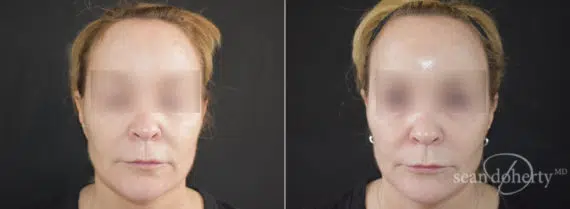
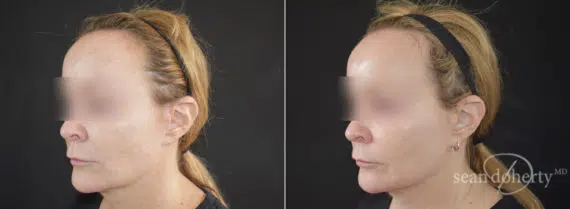
Volume loss really ramps up in your 40s. Even those of you blessed with a full, round face are going to notice some hollowing during this decade. Replacing lost volume in the mid-face and around the eyes with an appropriate dermal filler is one of my go-to procedures for a 40-something patient. Depending on what I see during your exam and what is bothering you, some of the non-surgical treatments I may recommend include:
Dermal Fillers
- Best for: Restoring lost volume in areas such as the cheeks or around the eyes and improving facial contours.
- Downtime and limitations: Swelling and bruising can occur. Filler restores volume but cannot truly tighten significant loose skin.
- Candidates and considerations: Filler is not appropriate for every aging concern. Risks range from temporary swelling and bruising to uncommon but serious complications, making injector experience and knowledge of facial anatomy critical.
Thread Lift
- Best for: Early skin laxity and subtle improvement in facial or jawline contour without surgery.
- Downtime and limitations: Recovery from thread lift is shorter than surgery, but results cannot match the degree or longevity of a facelift.
- Candidates and considerations: Patients with heavier tissues or more advanced laxity may need another option. Risks include swelling, bruising, infection, discomfort and thread-related problems.
Laser Skin Resurfacing
- Best for: Fine lines, sun damage, uneven pigmentation and skin texture.
- Downtime and limitations: Recovery varies depending on whether we use an ablative or non-ablative laser. More aggressive treatment generally means more downtime.
- Candidates and considerations: Laser choice depends on your skin type, medical history and goals. Risks include prolonged redness, pigment changes, burns and scarring.
Microneedling With or Without Radiofrequency (RF)
- Best for: Fine lines, texture, acne scars and some types of mild skin laxity.
- Downtime and limitations: Downtime is generally limited, but results develop gradually and cannot replace surgery for significant loose skin.
- Candidates and considerations: Treatment needs to be selected carefully based on your skin and medical history. The FDA has reported serious complications with certain uses of RF microneedling, including burns, scarring, fat loss, and nerve damage, so it is important to discuss the risks and benefits with an experienced medical provider.
Intense Pulsed Light (IPL)
- Best for: Brown spots, sun damage, redness and uneven skin tone.
- Downtime and limitations: Recovery is generally limited. IPL improves color but does not address significant skin laxity or volume loss.
- Candidates and considerations: IPL is not appropriate for every skin type or condition. Proper patient selection and settings help reduce the risk of burns or unwanted pigment changes.
The important point is that I do not choose a procedure simply because you are in your 40s. I choose it based on what is actually causing the change that you see in the mirror. Sometimes that means filler. Sometimes it means improving the skin itself. And sometimes, a non-surgical treatment is simply not going to accomplish what you want.
Breast and Body Procedures in Your 40s
One of the results of your skin and tissues losing elasticity is that your breasts may no longer look the same. For women, this often manifests as volume loss and/or nipples that begin to point downward, while men may suddenly find themselves with excess fatty tissue and loose skin in the chest. Depending on your anatomy and goals, some of the procedures I may recommend include:
Breast Augmentation
- Best for: Restoring or adding breast volume after pregnancy, weight changes or aging.
- Downtime and limitations: Breast augmentation improves volume and shape, but an implant alone cannot correct significant sagging.
- Candidates and considerations: The right approach depends on your anatomy, health and goals. Risks include infection, bleeding, changes in sensation and implant-related complications.
Breast Lift
- Best for: Breasts that have begun to sag or nipples that sit lower than they once did.
- Downtime and limitations: A breast lift reshapes and repositions the breast but does not add significant volume on its own.
- Candidates and considerations: Patients need to be healthy enough for surgery and comfortable with scars. Risks include healing problems, changes in sensation and asymmetry.
Implant Revision Surgery
- Best for: Changes involving older implants, breast shape, implant position or implant-related concerns.
- Downtime and limitations: Recovery depends on whether surgery involves a simple implant exchange or more extensive correction.
- Candidates and considerations: The surgical plan depends heavily on the condition of the implants and surrounding tissues.
Gynecomastia Surgery
- Best for: Men with excess breast tissue, fat, and/or loose skin that does not improve adequately with diet and exercise.
- Downtime and limitations: Recovery from gynecomastia surgery depends on whether liposuction, tissue removal or skin removal is required.
- Candidates and considerations: Weight stability, overall health and the cause of the chest fullness all need to be considered before surgery.
Liposuction
- Best for: Localized pockets of fat that remain despite maintaining a healthy weight.
- Downtime and limitations: Liposuction can improve contour, but it is not a weight-loss procedure and does not significantly tighten loose skin.
- Candidates and considerations: Significant skin laxity may require another procedure. Risks include contour irregularities, fluid collections and other surgical complications.
Tummy Tuck
- Best for: Excess abdominal skin, weakened or separated abdominal muscles, and changes after pregnancy or significant weight loss.
- Downtime and limitations: A tummy tuck can significantly improve abdominal contour but requires more recovery than liposuction or non-surgical treatments.
- Candidates and considerations: I generally want patients to be healthy and at a stable weight. Risks include bleeding, infection, healing problems and scarring.
Non-Surgical Body Contouring
- Best for: Patients with relatively small areas of unwanted fat who are not ready for surgery.
- Downtime and limitations: These treatments generally involve less downtime, but the results are also more limited than what we can achieve with liposuction or a tummy tuck.
- Candidates and considerations: If loose skin or more significant contour changes are the main problem, a non-surgical option may not deliver the result you want.
Again, the right choice is going to depend on your individual anatomy, desired outcome, and tolerance for downtime. Many patients are initially averse to a surgical option, as no one likes the idea of taking time to recover. However, at this age, the non-surgical options may not deliver the best bang for your buck. I pride myself on always being honest with my patients about what any given procedure can and cannot do. I want you to be armed with all the facts, including realistic expectations, as this is critical for ensuring the happy outcome that we both want.


Supporting Your Results: Skincare and Lifestyle
Anti-Aging Skincare
Procedures are only part of the equation. If you haven’t already done so, I recommend meeting with a board-certified plastic surgeon or dermatologist to assess what your skin actually needs. Trying the latest skincare trend on Instagram or TikTok is no longer going to cut it, and choosing the wrong products may make things worse.
In your 40s, skin is typically drier, so the right moisturizer becomes increasingly important. Sunscreen is still mandatory. I recommend a broad-spectrum SPF 30 or higher, along with a hat and other sun protection when you are outside. I also recommend staying vigilant about an annual skin cancer check with a dermatologist.
In terms of anti-aging skincare, I typically recommend a serum with some combination of:
- Vitamin C
- Peptides
- Growth Factors
The goal is to reduce stress on the skin and support the kind of healthy, radiant appearance that helps you look and feel your best.
Lifestyle Choices Still Matter
Your 40s are also the time when lifestyle choices begin to show more clearly on your face. Gone are the days when you can stay up all night drinking wine with your friends and not see it the next morning.
I think the most important lifestyle habits in your 40s are:
- Prioritize sleep
- Embrace a healthful diet
- Stay hydrated
- Drink less alcohol
Sleep is when your body naturally restores and heals, which becomes increasingly important as your skin loses some of its ability to “bounce back.” A diet rich in multi-colored fruits and vegetables provides antioxidants, while drinking less alcohol and staying hydrated can help your skin and tissues look healthier and more vital.
To find out more about skincare, dermal fillers, breast surgery, gynecomastia, tummy tuck, or any other surgical or non-surgical procedure with Dr. Sean Doherty at his Boston or Chestnut Hill office, contact us today or call (617) 450-0070 to schedule a consultation.
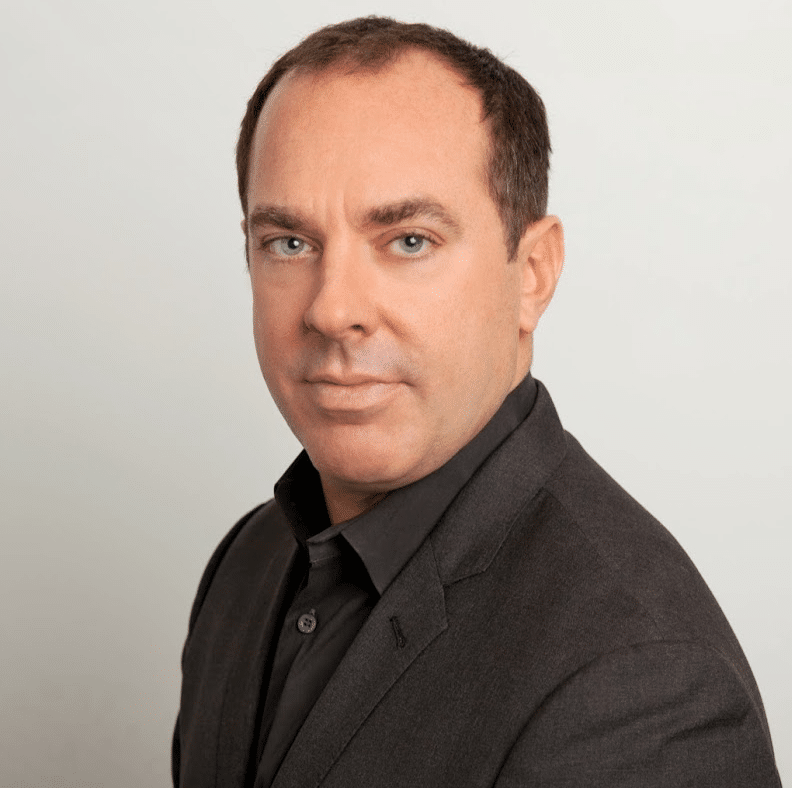
Sean T. Doherty, MD, FACS, is a board-certified plastic surgeon and Boston native with experience in surgical and non-surgical aesthetic procedures. His practice includes facial aesthetics, breast surgery, body contouring, liposuction, injectables, and laser-based treatments. Dr. Doherty’s approach emphasizes individualized treatment planning, patient safety, and natural-looking results.
Relevant Credentials
- Medical Degree: Tufts University School of Medicine
- Board Certification: American Board of Plastic Surgery
- Professional Experience: Boston Center for Plastic Surgery, 2014–present
- Medical Leadership: Associate Medical Director, Cynosure Lutronic
Areas of Expertise
Facial aesthetics, breast surgery, body contouring, liposuction, injectables, and laser-based aesthetic treatments.