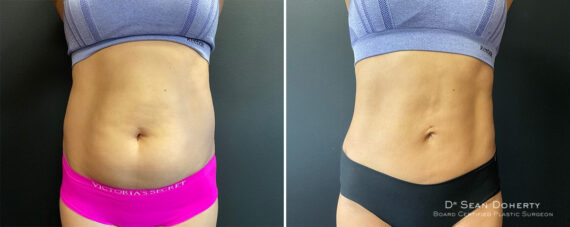
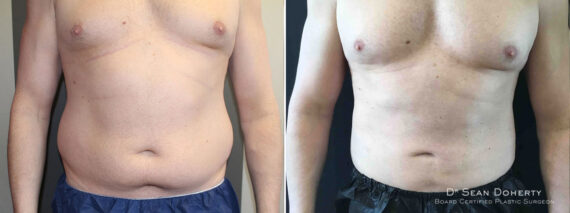
Liposuction can be an incredibly effective procedure for improving body contour and helping you feel more confident and comfortable in your skin. The key to a great result, however, is always going to depend on proper patient selection. Many people are under the false impression that liposuction is a weight loss technique. It is not. The scale will move little even with high volume liposuction patients. In the hands of an experienced Board-Certified Plastic Surgeon, such as myself, liposuction is a tool for re-sculpting your body back into proper proportion. It is not always about removing large quantities of fat as it is about removing excess pockets of fat from exactly the right spots. The result is a more harmonious appearance to your body which may make you look longer, leaner, and more youthful. Since liposuction is one of the procedures that I perform most often in my Boston area offices, I have been asked a lot of questions over the years. Here are your top 3 liposuction questions answered.

Can Liposuction Be Done Under Local Anesthesia?
Two of the primary deterrents for patients when it comes to scheduling a surgical procedure are:
- Incisions
- Anesthesia
Although liposuction is surgery, the incisions are small and they typically do not require stitches. In terms of anesthesia, certain liposuction procedures can also be safely performed under local anesthesia. Whether or not you are a candidate for this is dependent on the amount of fat that needs to be removed, the number of areas that we are addressing, and the total time that the surgery will take. Your safety is my number one priority. If I feel that we can achieve your desired result under local anesthesia, I will give you that option. There are certain benefits including:
- Less chance of post-op nausea
- Shorter recovery
- May be less expensive
- Potentially fewer complications than with general anesthesia
How Long is Liposuction Recovery?
Nobody likes the idea of unwanted downtime recovery. It is one thing to lay on your couch and choose to watch your favorite show. It is another thing to have to lay low. I am very upfront with my Boston area patients about the realities of recovery because, in my experience, if a patient has realistic expectations, he or she is going to be happier with the outcome. The challenging thing about predicting your liposuction recovery is that every body heals at his or her own rate. During our initial consultation and pre-op meetings, I will ask you detailed questions about your:
- Medical history
- Prior procedures & how your body recovered
- Lifestyle including diet & exercise
- Whether or not you smoke
My goal is to get a solid idea of how your unique body heals from trauma. This will help me to personalize your recovery timeline. Furthermore, liposuction recovery is also influenced by what exactly we do — more volume & treatment areas = longer recovery. In general, I am going to want you up and walking almost immediately but ask that you avoid any strenuous exercise for at least 3 weeks. Most patients return to work within a few days, but you will need to wear a compression garment 24/7 for the first three weeks and then 12/7 for another two months after your procedure. The latter is critical as it reduces swelling, improves discomfort, and helps to ensure the great looking result that we both want.
Will Fat Removed with Liposuction Come Back?
One of the best things about removing excess fat with liposuction is that those fat cells are gone for good. What this means is that if your weight stays stable, then your liposuction results are permanent. However, if you gain 10 pounds or more, you will develop excess fat in other areas which can seriously change your aesthetic results. For this reason, I always advise my liposuction patients to be at a maintainable goal weight before surgery. It is one of the best ways to make certain that the time, money, and effort that you invest in your liposuction procedure continues to pay dividends for years to come.
To find out more liposuction, or any other surgical or non-surgical procedure with Dr. Sean Doherty at his Boston or Chestnut Hill office, contact us today or call (617) 450-0070 to schedule a consultation.
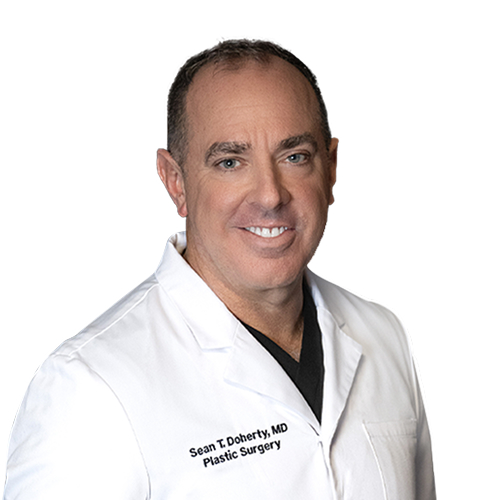
Sean T. Doherty, MD, FACS, is a board-certified plastic surgeon and Boston native with experience in surgical and non-surgical aesthetic procedures. His practice includes facial aesthetics, breast surgery, body contouring, liposuction, injectables, and laser-based treatments. Dr. Doherty’s approach emphasizes individualized treatment planning, patient safety, and natural-looking results.
Relevant Credentials
- Medical Degree: Tufts University School of Medicine
- Board Certification: American Board of Plastic Surgery
- Professional Experience: Boston Center for Plastic Surgery, 2014–present
- Medical Leadership: Associate Medical Director, Cynosure Lutronic
Areas of Expertise
Facial aesthetics, breast surgery, body contouring, liposuction, injectables, and laser-based aesthetic treatments.